
Small Breasts
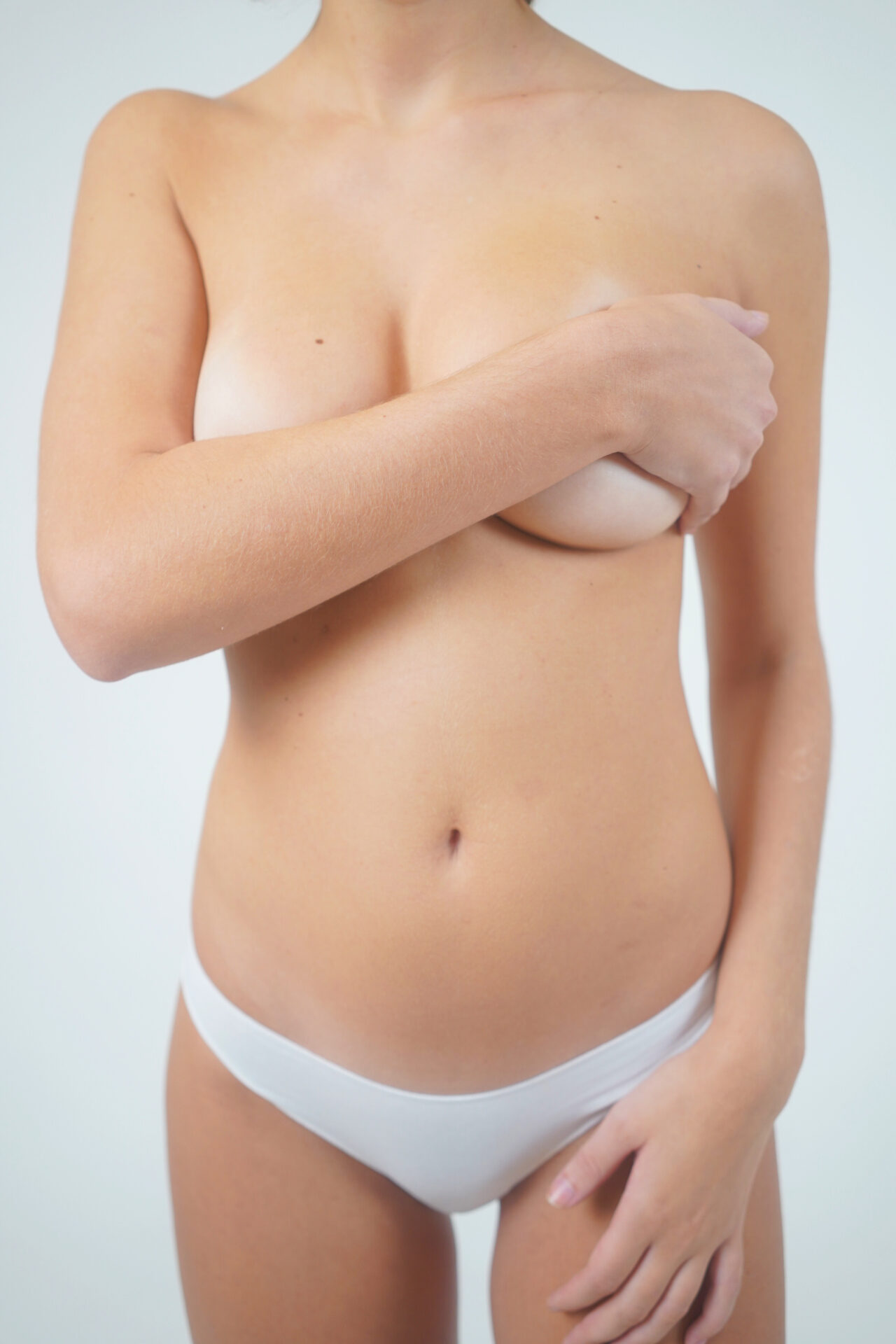
Breast hypotrophy, characterised by small breasts or a lack of volume, can lead to feelings of insecurity. Although it does not cause physical discomfort, it can affect self-esteem. The most common way to address this condition is through breast augmentation, with or without the addition of fat transfer (lipofilling).
Breast Augmentation
A breast augmentation is one of the most frequently performed aesthetic procedures. This surgery aims to enhance your figure by increasing the size and shape of your breasts, giving you a more balanced look and a better-proportioned body.
Breast Lift
A breast lift (or mastopexy) offers renewed confidence and improved aesthetic comfort. It aims to restore the shape and position of the breasts, often affected by age, pregnancy, weight variations or genetics.
Breast Lipofilling
Breast lipofilling, or fat transfer augmentation, is appreciated for its natural approach to breast enhancement. This technique uses the patient’s own fat to gently increase breast volume and improve shape.
The Advantages of Treatments for Small Breasts
- Restores bodily harmony
- Increase volume in accordance to your needs
- Natural options with lipofilling
- Corrects ptosis with a lifting procedure
- Offers customised results
- Combines lifting procedures with implants to achieve more effective results
- Reduces risks with safe techniques

Frequently Asked Questions
What Is Breast Hypotrophy?
Mammary hypotrophy is characterised by an underdeveloped mammary gland, resulting in a smaller-than-average breast size. Sometimes the breasts may have very little volume, but this poses no risk to health or physical function. However, small breasts can lead to feelings of insecurity that may strongly affect self-confidence and emotional well-being. The psychological repercussions can be significant, which is why many women decide to undergo cosmetic surgery to feel better about their bodies and regain their self-confidence.
What Causes Breast Hypotrophy?
Breast hypotrophy can arise from various factors. It is often genetic, with limited breast development during puberty frequently linked to hereditary predisposition. Hormonal influences can also play a role, as changes during puberty, pregnancy, or menopause may affect breast size. Nutrition is another key factor, since inadequate diet during growth can hinder breast development. Certain illnesses or endocrine disorders may contribute as well. Finally, age plays a crucial role; as the years pass, breasts are more likely to lose volume and sag, a process known as breast ptosis.
What Are the Treatment Options for Breast Hypotrophy?
If breast hypotrophy is linked to a hormonal imbalance, hormone therapy to encourage breast growth may be considered as an initial option. This approach is sometimes appropriate for adolescents or young women with confirmed hormone deficiencies. However, because potential side effects can be significant, it is not routinely recommended. The most frequent recourse for correcting breast hypotrophy is breast augmentation, which involves enhancing the size and shape of the breasts with silicone breast implants. The shape of the implant is carefully chosen to best meet your aesthetic needs. Breast lift, also known as mastopexy, is another popular procedure. Originally designed to lift and firm sagging breasts, it can be combined with breast implants to increase breast volume as well as lift the breasts. Finally, breast lipofilling is also an effective solution, using injections of your own fat to create a more natural look. This technique is a good alternative to implants, with a lower risk of allergic reaction or rejection.
Which Surgical Treatment Is Right for You?
It’s important to take certain factors into account when choosing the method best suited to your needs. In addition to the desired aesthetic appearance, there are a number of important factors to consider before choosing the method that’s right for you. A breast lift is ideal if your skin is sufficiently elastic: skin whose tissues lack tone can compromise the result of the procedure. And when combined with breast implants to increase breast size, it’s important to choose the right shape and size of implants to avoid the risk of recurrent ptosis (sagging breasts). In the case of lipofilling, this will only be possible if you have a sufficient level of fat, enabling it to be reinjected into the breast. Good skin elasticity is also a prerequisite. The expected result must also be natural. As the fat injected is partially reabsorbed by the body, the procedure may not be sufficient if the desired augmentation is large. Last but not least, breast implants are for you if you’re looking for significant volume, since there are many size options available. Furthermore, they are a suitable option if your mammary gland is damaged or insufficient, as implants will restore the missing volume independently of the glandular tissue, unlike lipofilling, for example, which depends on the quality of the existing glandular tissue.
How Is Breast Hypotrophy Treated and Reimbursed in Belgium?
Since breast hypotrophy is not considered a health risk, it is often regarded as a cosmetic problem, which is not covered by health insurance. In other words, if the motivation is purely aesthetic, and the hypotrophy is deemed to be slight, medical expenses cannot be reimbursed.
How Much Does Breast Augmentation Cost?
Before making a decision, it’s important to know how much a procedure will cost. The first thing to consider is the consultation appointment, which costs between €30 and €70. Once you’ve decided on the type of operation you want, the price depends on a number of factors, including whether or not you have breast implants, and how large they are. You should expect to pay between €5,350 and €6,775 for a breast lift, €6,450 for breast augmentation using lipofilling and between €4,955 and €5,475 for breast augmentation using implants. It is also possible to replace breast prostheses at a cost of between €4,175 and €4,955.