

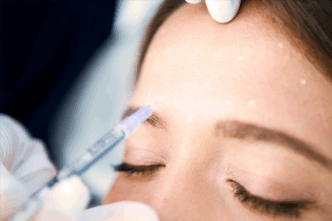
The initial consultation allows us to assess your needs, examine your state of health, and define the best surgical approach. This will include a physical examination and tests if necessary.
Book An AppointmentWhat Are Inverted Nipples?
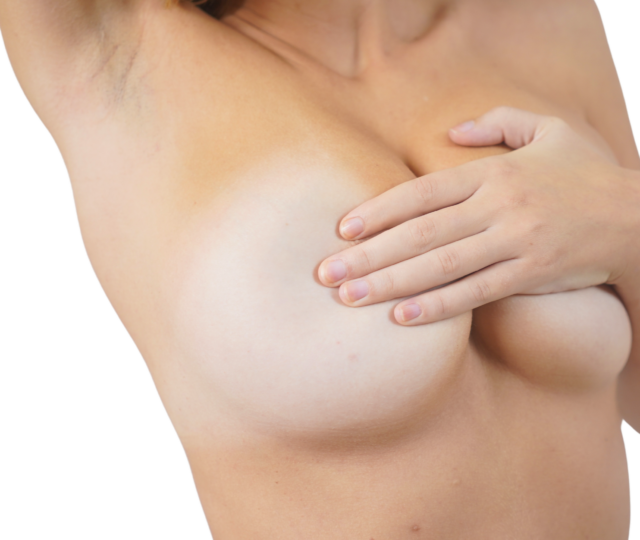
Inverted nipples are also known as invaginated or retracted nipples. Specifically, the nipple is retracted inside the areola rather than protruding. There are three stages:
- Stage 1: the nipples can be externalised by exposure to cold or stimulation, and remain externalised for a few moments.
- Stage 2: the nipples can be externalised by manual traction, but retract almost instantly.
- Stage 3: the nipples never emerge and require surgery.
The causes of inverted nipples vary and can include congenital factors, pregnancy-related changes, trauma, or even underlying medical conditions. Umbilical nipples can affect breastfeeding and cause psychological problems related to appearance.
What Treatments Are Available?
Breast surgery can correct inverted nipples, helping to restore confidence and improve overall well-being. It can also make breastfeeding easier for women who previously experienced difficulties due to this condition.
The procedure is usually performed under local anaesthetic or light sedation. A small incision is made at the base of the nipple, allowing the surgeon to release the underlying adhesions that draw the nipple inwards. Once these are freed, the nipple naturally returns to a more typical position.
The skin is then carefully sutured, leaving only a minimal scar. The procedure is quick, with immediate results. As with any surgery, choosing a qualified and experienced surgeon is essential to achieving the best outcome.
The Cost of Inverted Nipple Surgery
Inverted Nipples
1850 € (*)
Information Consultation
de 30 € à 70 €
All our prices are indicative and include VAT. The complete and precise estimate will be validated during the consultation with the surgeon.
The Benefits of Inverted Nipple Surgery
- Restoring the natural appearance of nipples
- Improved functionality for breastfeeding
- Immediate results with minimal scarring
- Boosting confidence and well-being
Frequently Asked Questions
What Causes Inverted Nipples?
Genetic factors: like eye colour or nose shape, breast size and shape can be determined by genetics.
Hormonal changes: puberty, menopause, and menstrual cycles can influence breast size and shape.
Life events: pregnancy, breastfeeding, and weight changes can lead to changes in the breast, sometimes accentuating asymmetry.
Can Inverted Nipples Cause Breastfeeding Problems?
Yes, in some cases, invaginated nipples can make breastfeeding difficult, as the baby may have difficulty grasping the nipple properly.
Is Surgery the Only Option for Correcting Inverted Nipples?
No, there are non-surgical methods such as the Niplette method, which uses a suction device to help bring out the nipple. However, surgery offers a more permanent solution.
Is Inverted Nipple Surgery Painful?
As with any surgical procedure, there may be some discomfort afterwards. However, pain is generally manageable with pain medication prescribed by the surgeon.
How Long Does It Take to Recover from Inverted Nipple Surgery?
Most patients can return to their normal activities within a few days, although specific precautions must be taken to avoid pressure or trauma to the operated area.
Can Inverted Nipples Return After Surgery?
It is rare but possible for invaginated nipples to return after surgery, particularly if the underlying cause is left untreated.
Are There Any Risks Associated with Inverted Nipple Surgery?
As with any surgery, there are risks such as infection, bleeding, abnormal scarring, and reactions to anaesthesia. Discussing these risks with your surgeon are is essential.
Does Inverted Nipple Surgery Affect Nipple Sensation?
Nipple sensation may be temporarily impaired after surgery, but usually returns to normal over time.
Your Journey in 3 Steps
- Consultation
- Surgery
- Post-Operative Follow-Up

Correction of inverted nipples is performed under local anaesthetic or light sedation. The procedure involves releasing the underlying adhesions through a discreet incision, allowing the nipple to return to a natural position, with immediate results and minimal scarring.
Book An Appointment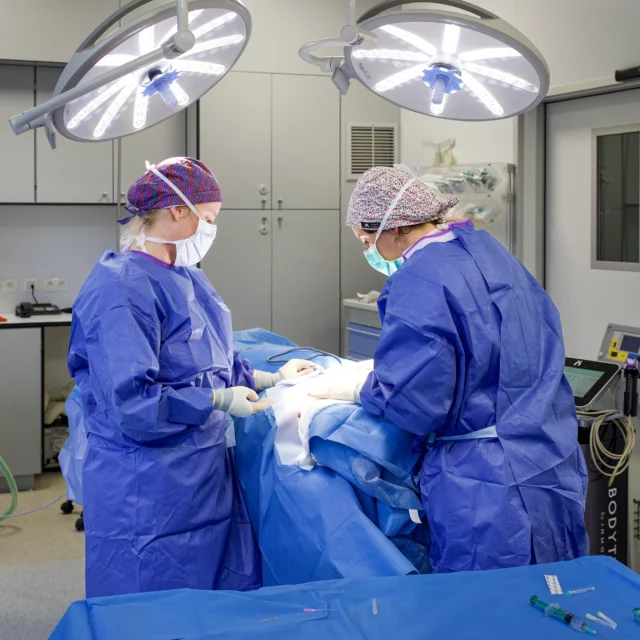
Post-operative follow-up includes tailored care, temporary dressing, precise instructions, and regular check-ins to optimise healing and results.
Book An Appointment
Overview

Operation Duration
1 to 2 hours

Stay At The Clinic
On an outpatient basis

Reasonable Mobility
After 1 day

Underwired Bra
A few weeks

Sleeping on Your Back
1 to 2 weeks

Driving
A few days

Leave
A few days

Shower
After 1 week

Physical Exercise
After 4 to 6 weeks

Full Recovery
4 to 7 days

Travel
1 day
Results
After the procedure, you will regain nipples that look natural and in harmony with your breasts can be restored through this correction. It may also make breastfeeding easier if needed, while enhancing your overall well-being and confidence.
Results are visible immediately, although complete healing takes a few weeks. Careful post-operative follow-up helps ensure optimal recovery and long-lasting results.