
During the initial consultation, the surgeon will assess your expectations, examine the structure of your nose, and review your medical history in order to determine the most appropriate surgical approach. Preparation may include a pre-operative assessment and a consultation with an anaesthetist.
Book an AppointmentWhat is Rhinoplasty?
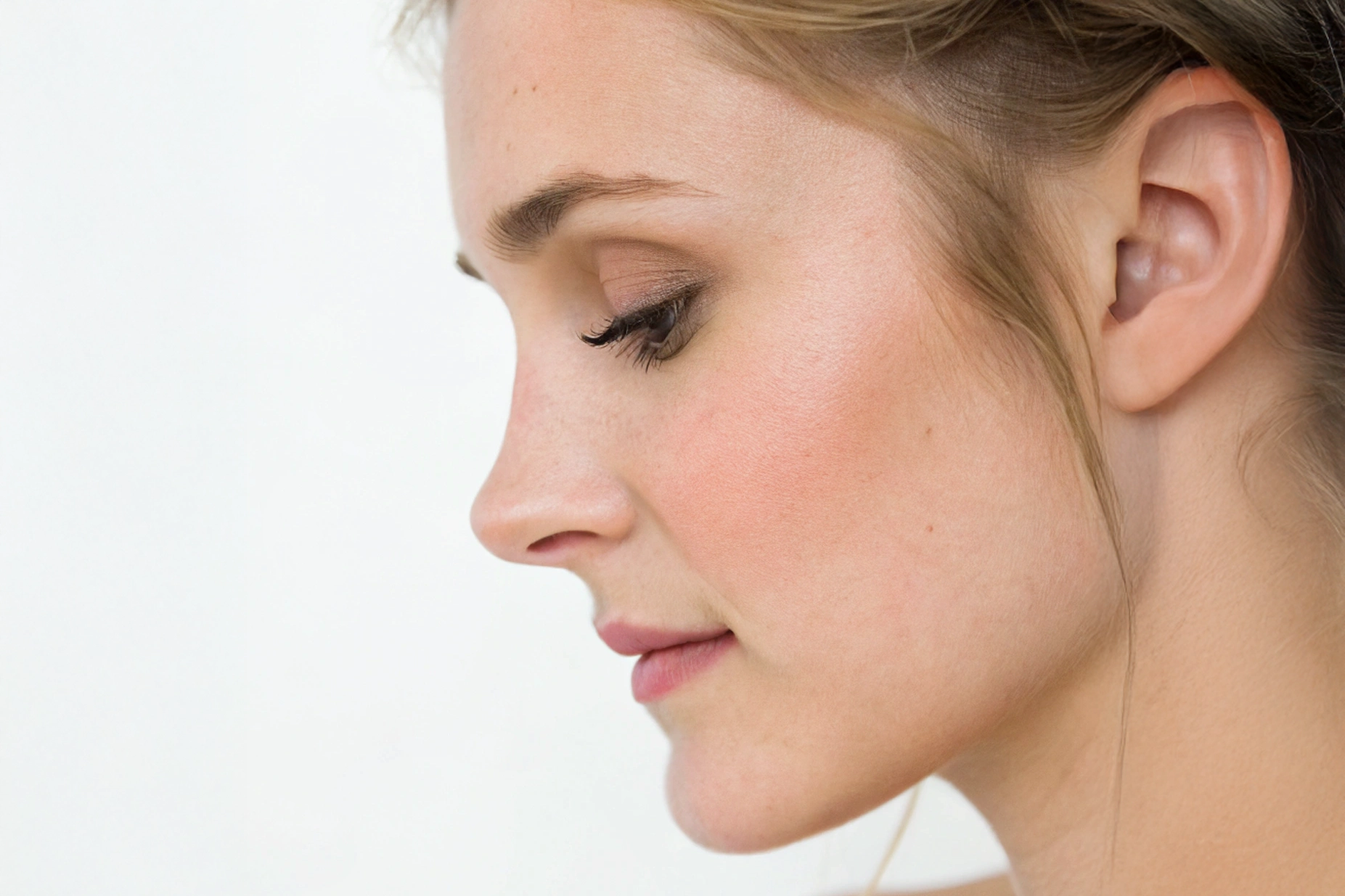
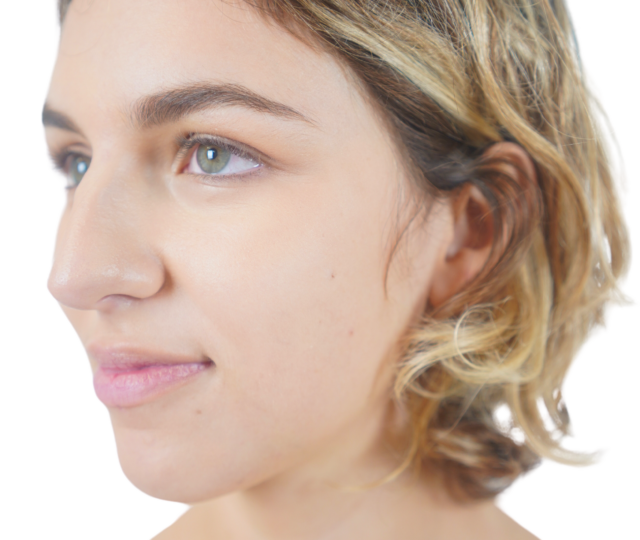
Nose surgery, or rhinoplasty, is a procedure that belongs to the branch of cosmetic surgery. Its aim is to modify or reshape the appearance of the nose. It is one of the most widely performed plastic surgeries in the world, and concerns both men and women. Rhinoplasty is frequently performed for aesthetic reasons. It corrects the natural imperfections of the nasal pyramid. However, it can also be performed for functional reasons. Particularly, for patients with mild or more pronounced respiratory disorders.
Why Have Rhinoplasty?
There are several reasons why you may need to undergo plastic surgery on your nose. The first is often to improve the aesthetics of the nose. The nose is one of the most easily and directly observable physical features on the face. It is frequently the subject of complexes due to its shape, which in most cases is considered too bumpy or long.
That’s why aesthetic nose surgery brings real long-term physical and psychological well-being. For anyone with a complex about this physical feature, it enables them to regain their self-confidence.
Beyond the aesthetic aspect, rhinoplasty can play a more functional role. In particular, it can correct anomalies such as a deviated nasal septum, which can impair breathing quality in some people. Rhinoplasty can also be used to repair a broken nose following an accident.
The Cost of Rhinoplasty
Medical Rhinoplasty (Hyaluronic Acid)
495 € (*)
Open Rhinoplasty
5690 € (*)
Ultrasound Rhinoplasty
7495 € (*)
Information Consultation
de 30 € à 70 €
*All our prices are indicative and include VAT. The complete and precise estimate will be validated during the consultation with the surgeon.
The Benefits of Rhinoplasty
- Corrects imperfections for a harmonious nose
- Improves breathing and treats abnormalities
- Lasting and natural results
- Techniques adapted to specific needs
- Minimal and discreet scars
- Boosts self-confidence
- Aesthetic and functional customisation
Frequently Asked Questions
What Are the Different Types of Rhinoplasty?
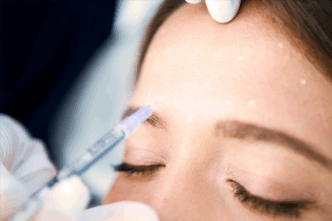
- Medical rhinoplasty: the aim is to shape the appearance of the nose through injections of hyaluronic acid. This fills in small defects such as a bump or drooping tip. Unlike surgical rhinoplasty, this technique cannot correct all nasal defects. Its effects are temporary. Injection of hyaluronic acid, a component naturally present in the body and used as a filler, enables the specialist to modulate the appearance of your nose as you wish. The procedure requires no special anaesthetic, as it is performed in a doctor’s surgery and lasts around 20 minutes. This temporary correction technique can also be useful for visualizing the change a surgical rhinoplasty could bring before making an informed decision.
- Surgical rhinoplasty: for long-term correction of nasal defects. It focuses on modifying the tip, septum and back of the nose by reshaping the bones, cartilage and tissues that make up the nose. This type of rhinoplasty requires a general anaesthetic, and therefore requires prior consultation with an anaesthetist. Surgical rhinoplasty can be performed for purely aesthetic reasons, to enhance the appearance of your nose. On the other hand, it can be performed for more functional reasons. It will free you if you suffer physically from the constitution of your nasal pyramid. Rhinoplasty can also have a mixed objective: in other words, it combines both aesthetic and functional aspects.
- Ultrasonic rhinoplasty (or piezotome rhinoplasty): This is a new, innovative rhinoplasty technique using an ultrasound-emitting device: the piezotome. This gentler approach to rhinoplasty delivers natural results with less post-operative stress. Ultrasound rhinoplasty is indicated in certain situations, mainly for surgery on the back of the nose.
What Are the Risks Associated with Rhinoplasty?
It is important to understand that choosing a reputable surgeon from a recognised clinic helps to minimise the risk of complications. The surgeons at Claris Clinic have extensive experience, performing nearly 1,000 procedures each year, allowing them to provide care tailored to your needs.
As with any surgical procedure, rhinoplasty carries risks:
- Infection: this complication generally occurs a few weeks after the operation, as the nose begins to deflate. It causes swelling and redness, which must be promptly treated.
- Persistent asymmetry: although the surgeon ensures that the nose is symmetrical at every stage of the surgery, asymmetry may persist. This is due to the tissues, which may lose their symmetry several months after surgery.
- Unsightly scarring: this complication concerns the presence of external scars. These are very rarely unsightly.
- An unattractive result: it is possible that the outcome of the procedure may not fully match initial expectations. However, it often takes time for patients to adjust to their new appearance.
What Pre-Operative Protocol Should You Follow?
To help you prepare for your procedure, here is the protocol you should follow several days beforehand:
- DAY 30: We strongly recommend you stop smoking to avoid complicating the healing process.
- DAY D – 10: No more aspirin or anti-inflammatory drugs can be taken to minimize bleeding.
Some types of anesthesia require you to fast 6 hours before the procedure.
Your Journey in 3 Steps
- Consultation
- Surgery
- Post-Operative Follow-Up

The incisions are precise and discreet, typically concealed inside the nostrils or beneath the tip of the nose. This allows the surgeon to lift the skin and reshape the underlying bone and cartilage structure. Absorbable sutures are used internally, and a supportive dressing, sometimes combined with a splint and internal nasal packing, is applied at the end of the procedure.
Book an Appointment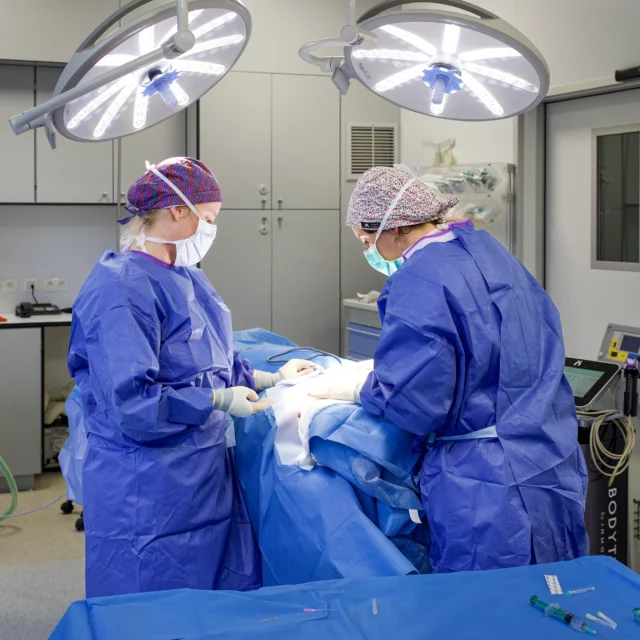
The post-operative period may be slightly painful, with transient swelling and bruising; the drill bits and plaster cast are removed after a few days. A return to normal life is possible after 10 to 20 days. Sports activities are forbidden for around 1 month.
Book an Appointment
Overview

Operation Duration
1 to 3h30, under general anaesthetic

Stay At The Clinic
On an outpatient basis

Reasonable Mobility
After 1 day

Sleeping on Your Back
1 to 2 weeks

Driving
1 week

Leave
7 to 10 days

Shower
After 1 week

Physical Exercise
After 6 weeks. With impact, 12 weeks

Full Recovery
10 to 20 days
Results
When your cast is removed around the seventh day after surgery, it is important to remember that what you see at that stage is not the final result, as the nose will still be swollen.
It usually takes around six to nine months to have a good idea of the outcome of a rhinoplasty, with the final result becoming fully apparent after at least one year.