


A preliminary consultation allows us to assess the donor area, plan the hairline and optimise scalp preparation for a precise, customized FUE graft.
Book an AppointmentWhat is a Hair Transplant?
Hair transplantation is a minimally invasive medical treatment for hair loss. It involves transferring hair follicles from an area where hair growth is dense to an area where it is thinning or absent. Although the procedure is most commonly used to treat baldness, it can also be carried out to restore eyebrows, eyelashes and facial hair, as well as to conceal scars.
Among the various hair transplant techniques available, FUE (Follicular Unit Extraction) is the most widely used. This method involves extracting individual hair follicles, thereby avoiding a linear incision and resulting in minimal scarring. FUE typically produces natural-looking results, involves a shorter recovery period and carries a lower risk of post-operative complications compared with more traditional techniques. For these reasons, it has become the preferred choice for both surgeons and patients.
Rates for FUE Hair Transplant
FUE Hair Transplant
3495 € (*)
Information Consultation
de 30 € à 70 €
*All our prices are indicative and include VAT. The complete and precise estimate will be validated during the consultation with the surgeon.
The Advantages of a FUE Hair Transplant
- Restores confidence: creates dense and natural hair
- Long-lasting results: lifetime growth
- Precise targeting: effectively treats sparse areas
- Natural look: undetectable rendering
- Suitable for everyone: for both men and women
- Simple maintenance: easy to manage
- Discreet: little to no visible scarring
Frequently Asked Questions
What are the Risks and Side Effects?
- General risks: as with any aesthetic medical procedures, hair transplantation involves risks such as infection and reactions to anaesthesia. However, these risks are generally low. At Claris Clinic, we have modern facilities and comply with the strictest safety and hygiene standards.
- Specific side effects: some patients may experience specific side effects, such as pain or itching at the transplant site, swelling of the scalp or face, or temporary loss of new hair.
Your doctor will give you specific instructions on how to manage these side effects and take care of your scalp after the operation to minimise risks.
How Much does a FUE Hair Transplant Cost?
The cost of a hair transplant can vary depending on several factors, such as the amount of hair to be transplanted and the technique used. During your initial consultation, your doctor will draw up a precise estimate of the cost of the procedure. Follow-up consultations are included in the price of the transplant.
Is it Painful?
FUE hair transplantation is performed under local anaesthetic, which means you should feel no pain during the procedure. After the operation, you may experience some discomfort in the treated areas, but this should diminish over time. Pain medication may be prescribed to manage any post-operative discomfort.
What are the Expected Results?
The results of FUE hair transplantation can vary depending on several factors, including the quality of your donor hair and the surface area of the area to be treated. In general, you can expect to see significant hair growth in treated areas over the 6 to 12 months following the procedure.
Is the FUE Hair Transplant Permanent?
Yes, FUE hair transplantation is considered a permanent solution to hair loss. Transplanted hair follicles are genetically resistant to baldness, so the hair that grows from them should be permanent.
Can Hair Transplants Be Done Outside the Scalp?
Yes, hair transplants can be performed on other areas, such as the beard or eyebrows. Ask our specialists for advice.
What Have Our Patients Shared?
“I am 32 years old and received an FUE transplant of approximately 4,500 hairs. I was very impressed with the facilities, as well as the professional attitude and knowledge of the whole team.
My procedure started at 7:45am and finished around 2:45pm. There were two doctors and two assistants. The whole thing is a bit long and you have to stay very calm, but the transplant went as well as I could have hoped. The staff were very nice, the equipment was perfect and the surgery itself was relatively painless.
The first results take about 3 months, and it takes 6 to 12 months to see the full effects. Overall, for anyone wishing to combat their hair loss, I highly recommend Dr. Moradi’s team.”
J.G. – Esneux
“I just had my transplant at Doctor Moradi’s. Excellent experience from start to finish, the team gives you a warm professional welcome and I really recommend it.”
G.B. – Braives
“Best thing I have ever done, from the first moment I went for my consultation with Dr Moradi to when I had my transplant and the aftercare. The staff has been amazing and always make you feel at ease. The results are fantastic. I would say to anyone worried about hair loss to go to Dr Moradi for a consultation.”
J.B. – Birmingham, UK
Your Journey In 3 Steps
- Consultation
- Surgery
- Post-Operative Follow-UP

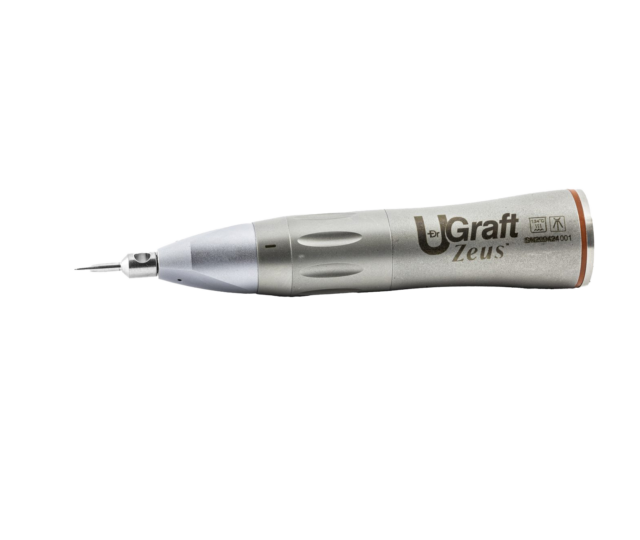
The graft combines local anaesthesia for optimal comfort, precise extraction of follicles, meticulous implantation in the recipient area, and post-operative treatment with LED phototherapy and PRP injections to promote healing and stimulate regrowth.
Book an Appointment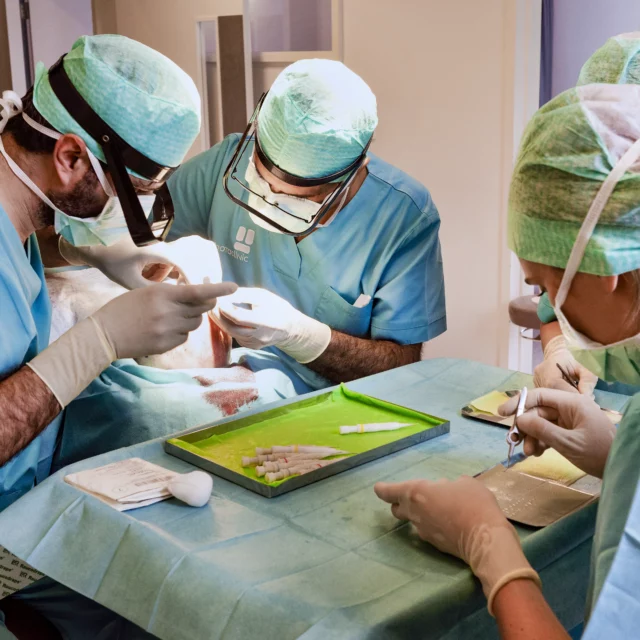
After the transplant, post-operative care and follow-up appointments, including PRP treatment, ensure progressive hair regrowth. The final results will be visible after a year.
Book an Appointment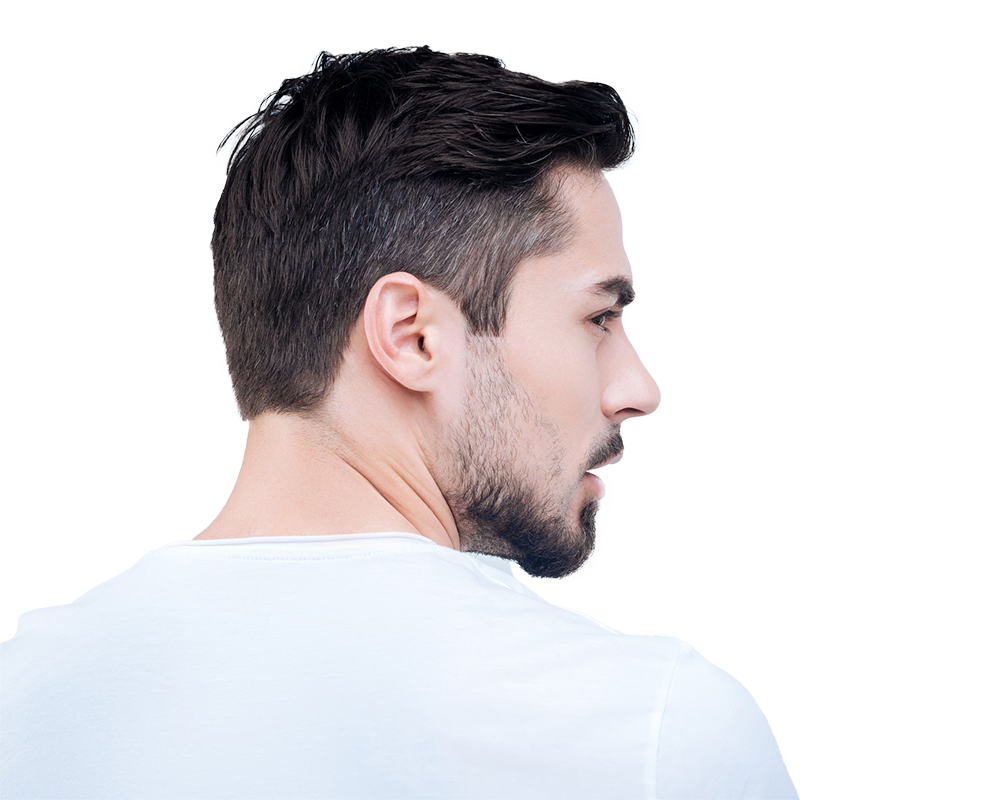
Overview

Operation Duration
Between 6 and 8 hours, under local anaesthetic

Stay at the Clinic
On an outpatient basis

Reasonable Mobility
After 1 day

Leave
A few days

Shower
First shampoo after 10 days. Normal hair routine after 30 days. Ask your surgeon for advice.

Physical Activity
2 week break

Final Results
6 to 12 months and PRP is recommended after surgery and follow-up consultations are required

Results
- Realistic expectations: it’s important to understand that hair transplant results vary from person to person depending on a variety of factors, including hair density and texture, hair and scalp colour, and the extent of hair loss.
- Growth period: after the procedure, transplanted hair will go through a period of shedding and then growth. The first signs of growth may be visible after three to four months, but final results may take up to a year or more to appear.
- Long-term results: transplanted hair is generally permanent and will continue to grow throughout the patient’s life. However, it is important to note that hair transplantation does not prevent future hair loss in other areas of the scalp.