



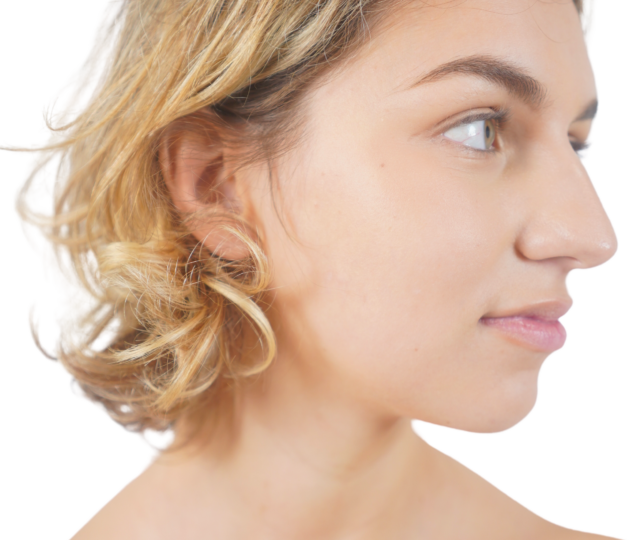
During the initial consultation, a detailed examination of the ears will help determine the most suitable surgical technique and type of incision, while discussing your expectations and choice of anaesthesia.
Book an appointmentWhat is otoplasty?
Otoplasty is a cosmetic surgery procedure, more specifically a form of corrective surgery, that aims to reshape the cartilage to correct malformations of the auricle. It is commonly performed on young patients from the age of six. The primary motivation for undergoing this procedure is the social discomfort or embarrassment associated with protruding ears.
Why have otoplasty?
There are several reasons why you might consider undergoing otoplasty. The main one is to improve the appearance of the ears and, as a result, the overall harmony of the face. The ears are among the most visible features of the face, particularly for people with short hair. Beyond purely aesthetic concerns, the position and size of the ears can also have a significant impact on your psychological well-being. This is especially true in early childhood, when it can affect confidence and hinder socialisation.
For this reason, the primary objective of otoplasty is to help restore self-confidence. In the long term, the procedure can contribute positively to personal development. Ideal candidates for otoplasty are individuals with an excessive angle between the auricle and the skull, as well as those with an overly large conchal cartilage.
The Price of an Otoplasty
Otoplasty Under Local Anaesthetic
1850 € (*)
Otoplasty Under General Anaesthesia
2495 € (*)
Information Consultation
de 30 € à 70 €
*All our prices are indicative and include VAT. The complete and precise estimate will be validated during the consultation with the surgeon.
The Benefits of Otoplasty
- Cartilage remodelling for a natural result
- Reduction of horn-skull angle
- Correction of asymmetries
- Discreet incisions behind the ear
- Tailored to your needs
- Rapid recovery with light after-effects
- Boosts self-confidence
Frequently Asked Questions
What are the Risks of an Otoplasty?
As with any surgical procedure, otoplasty carries potential risks. These can take different forms:
- Risk of infection: incision-related infection may occur. However, this risk is very low, as our surgeons are assisted by state-of-the-art medical equipment and strict asepsis standards.
- Hematoma: this is an aggregate of blood that cannot be evacuated. However, this complication is very rare for this type of operation.
- Poor healing: immediately after surgery, scars may develop an inflammatory syndrome. You will be given specific treatments to facilitate healing. For example, you’ll need to follow instructions such as stopping smoking, taking care of yourself and attending post-operative appointments.
- Dissatisfaction with the result: the post-operative result may not be to the patient’s liking.
Does otoplasty Hurt?
It’s important to remember that it’s normal to feel pain for 24 to 48 hours after the operation. To relieve the pain, we recommend that you take painkillers at regular intervals. On the other hand, if you experience an increase in pain after taking painkillers and the appearance of inflammatory signs such as redness, fever or swelling in the healing area, consult your doctor.
What is the Pre-Surgery Protocol?
To prepare for the procedure, a protocol should be followed a few days beforehand:
- 30 Days Before: we strongly advise you to stop smoking, as it can lead to healing complications.
- 10 Days Before: no more aspirin or anti-inflammatory drugs may be taken to reduce the risk of bleeding.
Your Journey in 3 Steps
- Consultation
- Surgery
- Post-operative follow-up

During the procedure, a discreet incision is made behind the natural crease of the ear to access and reshape the cartilage to adjust the contours; an elastic bandage is applied at the end of the procedure, which lasts from 1 to 1.5 hours on average.
Book an appointment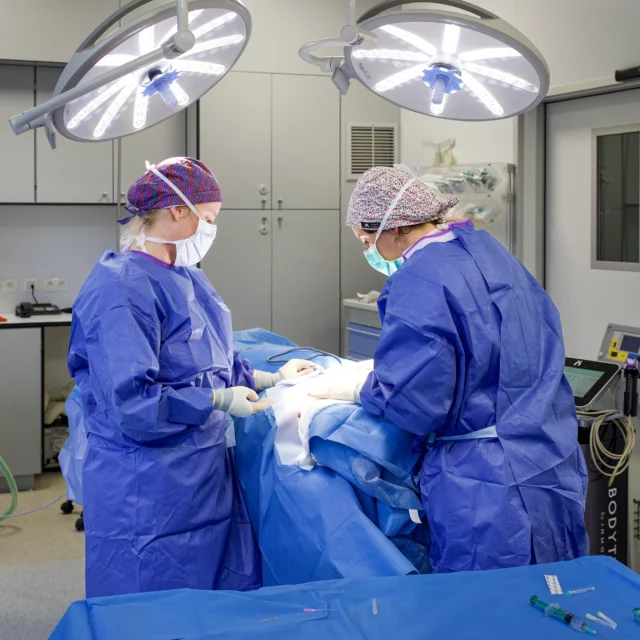
Recovery after otoplasty is generally straightforward, with only temporary bruising and swelling. The dressing is usually removed after a few days, and most patients are able to return to their normal activities within about a week.
Book an appointment
Overview

Operation Duration
1 to 1.5 hours, local or general anaesthesia

Stay at the Clinic
On an outpatient basis

Reasonable Mobility
After 1 day

Sleeping on the Back of the Head
1 week

Driving
1 to 2 days

Leave
A few days

Shower
After 1 week

Physical Exercise
After 6 weeks

Full Recovery
10 to 20 days
The result
It takes 1 to 2 months to appreciate the final result of otoplasty surgery. This corresponds to the time needed for the tissues to soften and the edema to subside. After this time, only the scars will still be slightly pink before fading.
During the first three months, the ears are deliberately too flat. This is due to overcorrection anticipated by the surgeon. This is partly due to the fact that the “shape memory” effect allows the ears to come unstuck.