

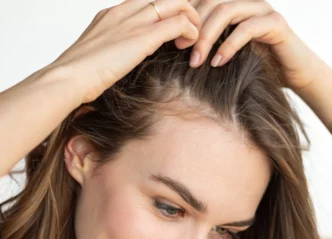
We assess your scalp to identify the type of alopecia and determine whether treatment is right for you, so we can tailor the protocol to your situation.
Book an AppointmentWhat are Exosomes?
A new era in the treatment of hair loss! Hair loss affects many people, men and women alike, often as early as their thirties. While conventional solutions offer variable results, the latest advances in regenerative medicine are paving the way for more targeted and effective treatments.
Among these innovations, exosomes now occupy a prominent place. These tiny particles, naturally produced by some of our body’s cells, act as biological messengers. Their role? Transmit repair, growth and balance signals to neighboring cells, particularly in hair follicles. Used in aesthetic medicine, exosomes derived from selected stem cells have demonstrated a remarkable ability to revive natural growth mechanisms, calm scalp inflammation and improve the quality of existing hair.
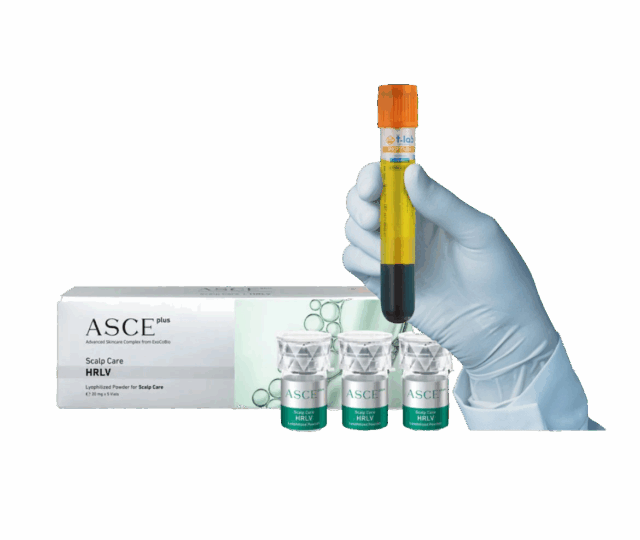
To take this approach a step further, we combine exosomes with PRP (Platelet Rich Plasma), a well-established technique that harnesses your body’s own growth factors, derived from your blood. This synergistic combination enhances the effectiveness of both components: PRP stimulates the follicles, while exosomes precisely target and optimise the regenerative process.
This innovative, surgery-free, and painless protocol is particularly suitable for people with incipient androgenetic alopecia or diffuse hair loss due to stress, hormonal imbalances or age. It acts deep down, prolonging hair growth phases and improving the environment around the follicle for visible, long-lasting results.
What are the Indications?
Combined PRP and exosome treatment is specifically indicated for :
- Stimulation of hair regrowth: activation of resting hair follicles
- Slowing hair loss: stabilising progressive alopecia
- Improving hair density: increasing the size and quality of existing hair
- Scalp regeneration: improved vascularisation and follicular environment
- Treatment of androgenetic alopecia: management of male and female baldness
Rates for PRP and Exosome Therapy
PRP + Exosome Therapy Session
645 € (*)
3 Session Subscription
1595 € (*)
The cost of combined PRP and exosome treatment varies according to the patient's specific needs and the number of sessions recommended in the personalised protocol.
The Benefits of PRP and Exosome Therapy
- Enhanced efficacy: superior therapy to PRP alone
- Targeted stimulation: direct action on hair follicles
- Well-tolerated microtraumatic injection technique
- Immediate return to daily activities with no social downtime
- Suitable for different types of alopecia and scalps
- Few or no side effects
Frequently Asked Questions
Is the Treatment Painful?
The procedure generates moderate discomfort due to the micro-injections into the scalp. Most patients describe a sensation of light stinging, similar to mesotherapy, which remains very bearable.
How Many Sessions Are Needed?
A standard protocol generally comprises 3 to 4 sessions spaced 4 to 6 weeks apart. This frequency respects natural hair growth cycles. The exact number can be adjusted according to your response to treatment.
What are the Side Effects?
Side effects are rare and mild. They are limited to slight redness of the scalp and sometimes to transient local sensitivity, which disappears within hours of treatment. No systemic side effects have been reported.
When do the First Results Show?
The first signs of improvement are generally visible between 2 and 3 months after the first session. This corresponds to natural hair growth cycles. The most marked results are observed around the 6th month.
Are Results Permanent?
No, treatment is not a permanent solution. Benefits generally last between 6 and 12 months, depending on the individual. Maintenance sessions are recommended to maintain the improvements achieved.
How Does This Treatment Compare with Other Options?
Preliminary studies suggest superior efficacy to PRP alone. Compared to hair transplantation, this treatment is less invasive and does not require surgery, but its effects are not permanent. It is an excellent option for stabilising alopecia without surgery.
Where Do the Exosomes Come From?
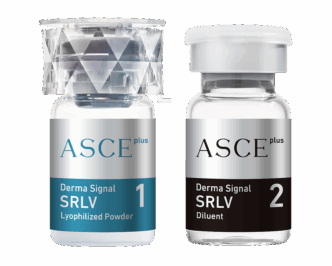
At Claris Clinic, we use plant-derived exosomes extracted from the Damask rose, chosen for its high tolerability and therapeutic potential. These exosomes are produced using advanced biotechnological processes in specialised laboratories, ensuring their purity, stability and consistency.
Their plant-based origin offers excellent biocompatibility, with no associated immunological risk.
Your Journey in 3 Steps
- Preparation
- Treatment
- Follow-Up

Each session includes blood sampling and preparation of the PRP. It is then injected into targeted areas of the scalp, alternating with exosomes.
Book an Appointment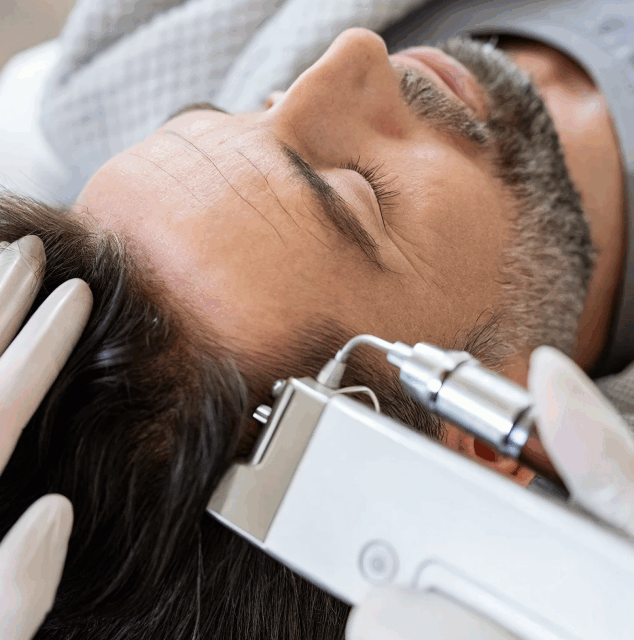
A personalised post-treatment protocol is drawn up, with precautions to follow, home care and recommendations for optimising results.
Book an Appointment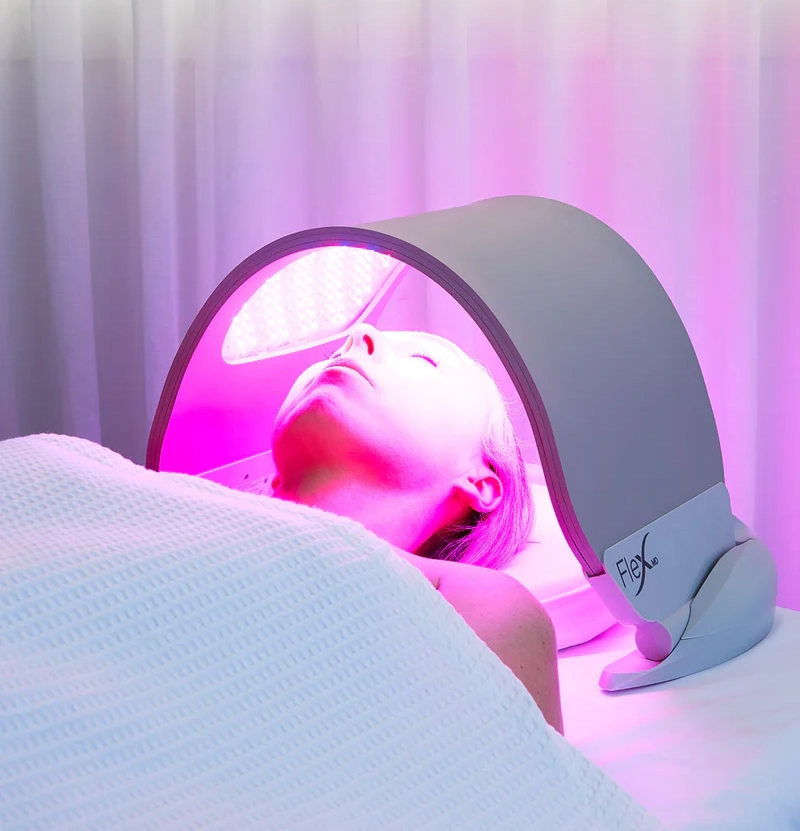
Overview

Treatment Duration
45 minutes

Stay at the Clinic
No stay required

Reasonable Mobility
No contraindication

Physical Exercise
Limited for 24 hours

Full Recovery
Immediate

Results
Hair improvement occurs gradually, with the first visible signs generally observed between 2 and 3 months after the start of the protocol. This gradual evolution corresponds to natural hair growth cycles.
Treatment efficacy builds up with successive sessions, reaching its optimum around the 6th month. Patients generally observe a stabilisation of hair loss, an improvement in hair density and an increase in hair caliber.
The durability of results varies from one individual to another, and may require maintenance treatment to maintain the benefits obtained.