
Recovery After Cosmetic Surgery: A Comprehensive Guide by Procedure

The postoperative phase is just as critical as the surgical procedure itself. Although it is too often overlooked in the available information, recovery affects not only the patient’s comfort but also the long-term aesthetic quality of the results. This guide details, procedure by procedure, the actual recovery times, the biological stages involved, the guidelines to follow, and the warning signs to watch for before committing to plastic or reconstructive surgery in Belgium.
Recovery Times by Procedure
Recovery from cosmetic surgery takes an average of 1 to 3 weeks to return to office work, and 4 to 12 weeks to resume full athletic activity. The final results, however, are not fully visible until between 3 months (liposuction, breast augmentation) and 18 months (rhinoplasty). These timeframes vary depending on the extent of the procedure, the patient’s individual circumstances, and strict adherence to postoperative instructions.
| Intervention | Office Work Stoppage | Physical Activity Restriction | Return to sports | Final Result |
|---|---|---|---|---|
| Breast Augmentation | 5–7 days | 3–4 weeks | 6–8 weeks | 3–6 months |
| Rhinoplasty | 10–15 days | 3–4 weeks | 6–8 weeks | 12–18 months |
| Liposuction | 5–7 days | 2–3 weeks | 4–6 weeks | 3–6 months |
| Blepharoplasty | 7–10 days | 10–14 days | 3–4 weeks | 3–6 months |
| Tummy Tuck | 2–3 weeks | 4–6 weeks | 8–12 weeks | 6–12 months |
| Facelift | 2–3 weeks | 3–4 weeks | 4–6 weeks | 6–12 months |
The Four Biological Phases of Postoperative Recovery
Understanding what happens in your body after cosmetic or reconstructive surgery allows you to navigate each stage with less anxiety and greater efficiency. Wound healing follows a predictable biological process, divided into four distinct phases.
Day 0 / Day 3
Phase 1: Acute Inflammation
This is the most uncomfortable phase: pain, swelling, bruising, and fatigue from the anesthesia are normal and to be expected. They indicate that the body is beginning the healing process. Strict rest and the prescribed pain medication (acetaminophen, anti-inflammatory drugs, and sometimes mild treatments) will help you get through this phase comfortably. Do not try to skip this phase.
Day 4 / Day 15
Phase 2: Regression and Gradual Recovery
Swelling and bruising begin to subside. Pain decreases significantly. Most patients return to light office work between Day 5 and Day 10, depending on the procedure. The sutures are removed or fall out on their own between Day 7 and Day 10. This is the period when patience is most tested: the results are not yet visible, but healing is progressing.
Day 15 / Day 45
Phase 3: Active Healing and Consolidation
The scars are reddening: this is normal and to be expected, and indicates that collagen is actively being remodeled. The residual swelling continues to subside gradually. The initial contours of the final result are becoming visible, though they are not yet definitive. Following the instructions carefully is crucial at this stage to prevent any disruption to the healing process.
3 / 18 months
Phase 4: Maturation and Final Result
Scars gradually fade and flatten. The implants settle into their final position. Deep swelling subsides completely. The final results become visible depending on the procedure: 3 to 6 months for breast augmentation and liposuction, 6 to 12 months for facelifts and tummy tucks, and 12 to 18 months for rhinoplasty.
The 5 Golden Rules of Recovery After Cosmetic Surgery

These rules are not general recommendations: they directly influence the quality of the natural results achieved and significantly reduce the risk of postoperative complications, whether the procedure is cosmetic surgery, plastic surgery, or reconstructive surgery.
- Do not smoke: Smoking reduces blood flow to the tissues by 30 to 50 percent, slows healing, and triples the risk of skin necrosis. You must stop smoking at least 4 weeks before and 4 weeks after surgery.
- Protect scars from the sun for 12 months: A scar exposed to the sun without SPF 50+ sunscreen may develop permanent and unsightly hyperpigmentation, regardless of the quality of the surgical procedure.
- Wear the prescribed compression garments: a post-breast augmentation bra, and compression garments for after liposuction and abdominoplasty. These garments reduce swelling, support the tissues, and promote tissue remodeling.
- Follow the recommended timeframes for resuming sports: returning to sports too soon significantly increases the risk of hematoma, seroma, and poor healing. The timeframes listed in the table above are minimums, not goals to be achieved at all costs.
- Follow a diet that promotes healing: protein, vitamin C, and zinc are essential nutrients for cell regeneration. Avoid any restrictive diets during the first 6 weeks after surgery.
Warning Signs: When to Seek Emergency Care After Plastic Surgery
See your surgeon or go to the emergency room immediately if you notice any of these signs
- Fever exceeding 38.5°C beyond the second postoperative day
- Sudden swelling, warm redness, or purulent discharge from a wound
- Chest pain or sudden shortness of breath (risk of pulmonary embolism)
- Swelling of the calf accompanied by pain (risk of deep vein thrombosis)
- Significant or persistent bleeding from a surgical wound
- Loss of sensation or sudden change in sensation in the area where surgery was performed several weeks after the procedure
Recovery by Area: Specifics Depending on the Cosmetic Surgery Procedure
Facial Surgery: Rhinoplasty, Blepharoplasty, and Facelift

Recovery times for facial cosmetic surgery procedures vary greatly depending on the type of procedure. Blepharoplasty, or correction of drooping eyelids, allows patients to resume social activities within 7 to 10 days, and makeup can be worn starting on day 10. Rhinoplasty requires wearing a nasal splint for 10 to 15 days, and residual swelling may persist for several months. A facelift, on the other hand, requires 2 to 3 weeks of social discretion, with scars concealed within the natural creases of the face and scalp.
Breast Surgery: Breast Augmentation, Breast Lipofilling, and Breast Reduction
After breast augmentation, wearing a compression bra is required for 6 to 8 weeks. The most intense pain occurs during the first 48 hours, especially when the implants are placed under the muscle. Breast lipofilling also involves recovery of the areas from which fat was harvested via liposuction, which slightly extends the period of discomfort. Breast reduction, on the other hand, requires 10 to 15 days off work and abstaining from sports for 4 to 6 weeks.
Liposuction, Liposculpture, and Tummy Tuck
Liposuction is often underestimated in terms of recovery: postoperative swelling can obscure the results for a full 2 to 3 months. Wearing a compression garment around the clock is essential for the first 3 to 4 weeks.Tummy tuck surgery requires the longest and most restrictive recovery period: patients must remain in a semi-bent position for 10 days, are prohibited from lifting heavy objects for 6 weeks, and the final results become apparent after 6 months.
Cosmetic Surgery and Aesthetic Medicine: Two Very Different Approaches

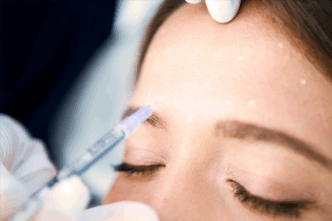
Non-invasive cosmetic procedures (hyaluronic acid injections, botulinum toxin, medical peels) require virtually no recovery time: mild redness for a few hours, and occasionally a small, localized bruise. Cosmetic surgery, on the other hand, requires general or regional anesthesia, a hospital stay, and weeks of recovery. This fundamental difference explains why the two approaches should not be viewed as competing but rather as complementary, depending on the desired outcome and the patient’s skin age.
What your clinic must provide you with before the procedure:

Before undergoing any plastic or reconstructive surgery in Belgium, your clinic must provide you with a written document detailing pre- and post-operative instructions, emergency contact information, a scheduled follow-up appointment with the surgeon, and a fully transparent estimate that includes fees, anesthesia, and hospital stay costs.
Frequently Asked Questions About Recovery After Cosmetic Surgery
Can you work remotely the day after cosmetic surgery?
This depends directly on the procedure performed and your personal tolerance for pain and fatigue. After blepharoplasty (eyelid surgery) or breast augmentation, very light remote work is often possible as early as days 3 through 5, provided your job does not require physical exertion or sustained concentration. Post-anesthesia fatigue can be underestimated during the first few days.
However, after a tummy tuck or facelift, it is strongly advised against returning to any professional activity—even remote work—for at least 2 to 3 full weeks. Prolonged sitting, concentration, and cognitive stress slow recovery and increase the risk of circulatory complications. Rhinoplasty also requires 10 to 15 days of rest due to facial swelling and the constraints associated with the nasal splint.
The general rule: if you’re unsure, rest. An extra week of rest has never jeopardized a result. Returning to activity too soon, however, has.
Do postoperative medications cause drowsiness and side effects?
The medications prescribed by the surgeon during the first few days after surgery can indeed cause drowsiness, nausea, and mild confusion. For this reason, driving is strongly discouraged during the first 7 to 10 days following cosmetic surgery performed under general anesthesia.
Acetaminophen, which is generally prescribed as a follow-up treatment starting on days 3 through 5, does not cause drowsiness and can be taken with a high degree of safety. Nonsteroidal anti-inflammatory drugs (ibuprofen, ketoprofen, etc.) are sometimes prescribed but require monitoring: they may increase the risk of bleeding if taken too soon after surgery.
If you experience excessive or persistent drowsiness, or drowsiness accompanied by confusion, beyond Day 2, contact your surgeon immediately: this may indicate an unexpected reaction to the anesthesia or pain medication, or, more rarely, a neurological complication that requires prompt evaluation.
When can you fly after cosmetic surgery?
The main risk associated with postoperative air travel is thromboembolism: prolonged immobility and cabin pressurization significantly increase the risk of deep vein thrombosis and pulmonary embolism in the weeks following plastic surgery.
For short flights—less than 2 hours—most surgeons allow travel after at least 2 weeks, provided that you wear compression stockings and get up regularly during the flight. For medium- and long-haul flights (more than 4 hours), a waiting period of 4 to 6 weeks is generally recommended, depending on the extent of the procedure. Certain complex procedures, such as a tummy tuck or a combined facelift, may require a 6- to 8-week waiting period before flying, regardless of the flight’s duration.
It is essential to consult your surgeon before planning any travel within the first 8 weeks after surgery. Do not rely on general information available online: your individual clinical situation takes precedence over any generic recommendations.
What is the difference between cosmetic surgery and aesthetic medicine in terms of recovery?
Aesthetic medicine encompasses non-surgical procedures performed in a clinic without general anesthesia: hyaluronic acid injections, botulinum toxin (Botox), medical peels, laser treatments, and mesotherapy. Recovery from these procedures is virtually nonexistent: a few hours of redness, and occasionally a small localized bruise that resolves within 3 to 5 days. Patients can resume normal activities immediately or almost immediately.
Cosmetic surgery, on the other hand, requires anesthesia (local, regional, or general, depending on the procedure), preoperative preparation, a hospital stay ranging from a few hours to a few days, and a recovery period lasting from several days to several weeks. The risks are different, postoperative follow-up is structured, and the surgeon-patient relationship is long-term.
These two fields are complementary, not competitive. Cosmetic medicine can prepare for or maintain the results of plastic surgery, and surgery can address issues that no non-invasive treatment can resolve. Your surgeon will guide you toward the most appropriate solution during your consultation.
Ready to get started on your project with confidence?
At Claris Clinic in Brussels, Liège, and La Hulpe, each patient receives a personalized recovery plan before the procedure, with structured medical follow-up at every stage of recovery. Schedule a consultation and get all your questions answered in person with your surgeon.
See also