


Hair Loss in Women: A Complex and Often Underestimated Reality
Hair loss doesn’t just affect men. In women, it can occur at various stages of life: postpartum, perimenopause, when changing birth control methods, during periods of intense stress, or simply with the changing seasons. This hair loss is often emotionally distressing, as hair is an integral part of a woman’s identity. Hair PRP has proven to be a particularly effective solution for these situations.
Hormonal Changes: When Fluctuations Disrupt Hair Health
Hormones play a central role in the hair follicle’s life cycle. Several stages in a woman’s life can trigger hormonal changes:
- Postpartum: After childbirth, the sudden drop in estrogen levels causes massive telogen effluvium, which can last 3 to 6 months
- Perimenopause and menopause: Declining levels of estrogen and progesterone weaken the hair follicle, leading to female androgenetic alopecia or diffuse hair loss
- Hormonal contraception: Certain androgenic progestins may accelerate follicular miniaturization
- Thyroid Disorders: Hypothyroidism and hyperthyroidism are common—and often unrecognized—causes of diffuse hair loss in women
The seasonal decline: a natural phenomenon that has been amplified
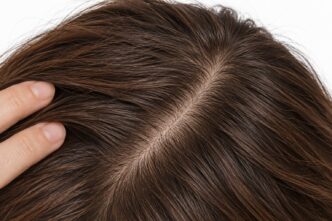
Seasonal hair loss primarily affects women in the fall (September–November) and, to a lesser extent, in the spring. It is linked to the synchronization of hair growth cycles under the influence of light and melatonin. While it is generally temporary (6 to 8 weeks), it can become a cause for concern when it coincides with an existing hormonal imbalance. In this context, PRP hair treatment can provide effective support for weakened hair follicles.
How does PRP work to treat hair loss in women?
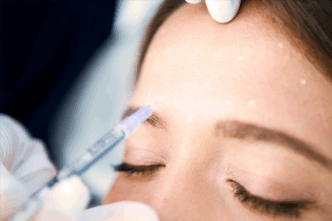
PRP (platelet-rich plasma) is obtained from a blood sample taken from the patient and centrifuged to concentrate the growth factors. When injected into the scalp, it:
- Stimulates the return of dormant follicles to the anagen phase
- Strengthens follicles weakened by hormonal fluctuations
- Improves hair density and diameter
- Promotes blood flow to the scalp for better follicular nutrition

To maximize results, Claris Clinic also offers PRP for hair combined with exosomes, a cutting-edge regenerative approach that enhances the effects of PRP on hair follicles.
Is PRP suitable for pregnant or breastfeeding women?
As a precaution, PRP is generally not recommended during pregnancy and breastfeeding, even though there are no formal contraindications in the scientific literature. It is best to wait until this period has ended before beginning a treatment regimen. For postpartum hair loss, PRP may be considered 3 to 6 months after childbirth.
Expected Outcomes for Women
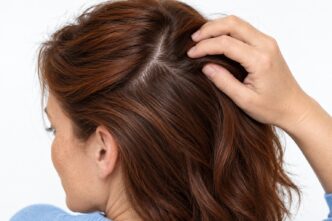
The results of PRP treatment in women are generally very encouraging. Clinical studies show a significant reduction in hair loss and an improvement in hair density in 70 to 80 percent of patients. The first effects become noticeable after 2 to 3 sessions, with optimal results visible after 6 months. It’s worth noting that PRP works through the same biological mechanisms as when used on the face: if you’re curious to learn how facial PRP works, our dedicated article tells you more.
When should you consider a hair transplant?
PRP is particularly well-suited for the early and intermediate stages of hair loss. In cases of advanced alopecia with completely bald areas, an FUE hair transplant may be considered as a complementary treatment or as an alternative. Our specialists evaluate each case individually to recommend the most appropriate solution.
FAQ: PRP and Hair Loss in Women
How long should you wait after giving birth before starting treatment?
It is recommended that you wait 3 to 6 months after giving birth before starting treatment.
How many sessions does it take to treat a hormonal imbalance?
A course of 3 to 4 sessions is recommended, followed by a maintenance session every 6 to 12 months. In the case of occasional seasonal hair loss, 1 to 2 preventive sessions may be sufficient.
Can PRP replace hormone therapy for hair loss?
No, PRP does not treat the hormonal cause. It addresses the consequences (weakened follicles) and can be used in conjunction with hormonal testing and treatment. A combined approach is often more effective.
Conclusion: PRP, a Practical Solution for Female Hair Loss
Whether caused by hormonal factors, postpartum changes, or simply seasonal shifts, hair loss in women warrants serious and personalized care. Hair PRP has emerged as one of the most effective treatments available today to slow hair loss, strengthen weakened follicles, and restore visible hair density. Natural, non-surgical, and well-tolerated, it fits into a comprehensive approach to women’s hair care and can be combined with exosomes for even more dramatic results.
Do you recognize yourself in any of the profiles described in this article? Our specialists at Claris Clinic are available to assess your situation and guide you toward the most appropriate treatment plan. Contact us for more information or to discuss your case with one of our practitioners.