



What are exosomes?
Exosomes are the new buzzword in the world of aesthetics, and Claris Clinic is no exception. And for once, it’s not just marketing. These are tiny vesicles naturally produced by our cells. No need to imagine science-fiction machines, they’re just ultra-powerful biological messengers.
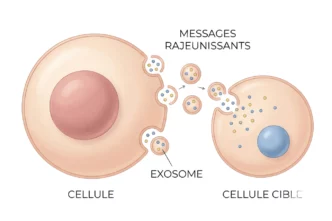
They transport proteins, lipids and genetic material from one cell to another. In short, they orchestrate cellular communication. And when given the right role, they are capable of jump-starting the skin renewal machine. They repair, calm and regenerate the skin. And that’s all there is to it.
Exosome composition
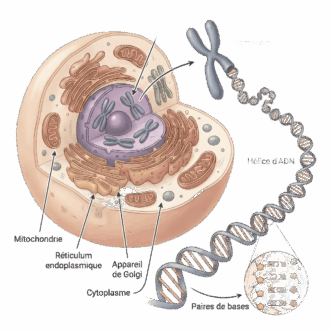
In detail, an exosome contains :
- Proteins (such as cytokines or growth factors)
- RNAs (messengers, microRNAs, etc.)
- Lipids that stabilize their structure
- And enzymes involved in various metabolic processes
Their composition can vary according to cellular origin. And this is precisely where they can be “programmed” to do your skin good.
Exosome function
Their primary mission: communication. They go from one cell to another to transmit crucial information: repair, calm, regenerate. In the skin, they target cells that are suffering, tired or aging. They send them the signal to wake up, renew themselves and produce collagen. Not a bad way to conduct an orchestra.
The properties of exosomes for facial skin
Exosomes aren’t magic, but they’re close. Here’s what they can do.
Cellular regeneration
They boost collagen and elastin production, and stimulate fibroblasts. Result: skin rebuilt from within. It’s like pressing “reset” after a period of stress or aging.
Deep hydration
Thanks to their effect on the skin barrier, exosomes help retain water in the skin. Less water loss, more suppleness. And less skin tautness, especially in winter.
Reduces signs of aging
Fewer wrinkles, firmer, more refined skin texture. That’s the basic trio when it comes to anti-aging, and exosomes tick all the boxes thanks to their action on cell renewal and inflammation.
Skin damage repair
Acne scars, sensitized skin, chronic redness… Exosomes encourage the skin to repair its little past mistakes. It’s a slow process, but the results are there when you stick with it.
Anti-inflammatory effect
Exosomes can modulate excessive inflammatory responses. Not a miracle painkiller, but a real ally in soothing the pain.
Exosome applications in cosmetics
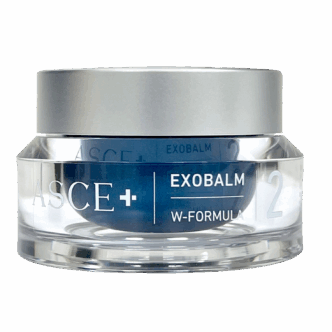
Exosome-enriched creams and serums
More and more brands are including exosomes in their skincare products. Beware, however: not all products are created equal, and few contain functional exosomes in useful doses. If the formula doesn’t say anything about concentration or origin, you should remain wary.
Exosome injections
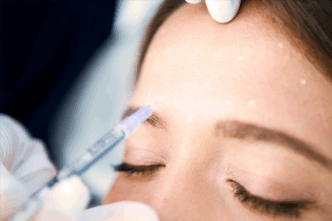
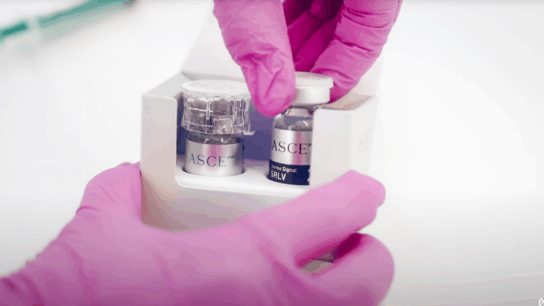
This is the most promising approach. In the practice, injections (often coupled with PRP or microneedling) enable exosomes to penetrate where they are really needed. The effect is more direct and faster. The price is not negligible, but it’s very effective.
Exosome face masks
Less common, but they do exist. Fabric or gel masks that promise a boost after sun exposure or periods of intense fatigue. The “radiance boost” aspect, without the needle.
Clinical results of exosomes on facial skin
Patient testimonials
Some speak of a clear“before/after” effect on the quality of their skin. Less redness, more uniformity, fading fine lines. The effects are not spectacular overnight, but they do take hold over time.
Scientific studies
Several studies have been carried out on the impact of stem cell exosomes on the skin. Results show an improvement in dermal density, collagen production and a visible reduction in the signs of aging.
Precautions to be taken when using exosomes
Prior medical consultation
Before considering an injection or any serious protocol, a visit to a professional is essential, to ensure that the skin is the right candidate.
Compliance with recommended doses
More doesn’t mean better. The right dosage is important
Potential side effects
Very rare, but possible: redness, slight swelling after injections, allergic reaction in case of sensitivity to certain skin care ingredients. Nothing dramatic, but always good to know.
Future research on exosomes for facial skin
New technologies
There is already talk of even more targeted vectors, of exosomes “customized” according to skin type or the problem to be treated. The idea is to personalize treatments as much as possible without invasive intervention.
Future prospects
Exosomes could become a mainstay of anti-aging and repair skincare. But their production will need to be supervised, their long-term efficacy validated, and we’ll need to distinguish between genuinely innovative skincare products and marketing ploys.
Conclusion
Exosomes for the face are not a gadget. It’s a serious approach, rooted in regenerative medicine, with interesting results when properly applied. We need to remain curious, but also critical. The promise is beautiful: younger, healthier, stronger skin. Provided you make the right choices.