


PRP is now one of the most widely recognized treatments in hair medicine in Belgium, particularly for treating androgenetic alopecia and telogen effluvium. Hair loss affects a large number of people, both men and women, and PRP often provides a concrete medical solution. But like any treatment, it has limitations and drawbacks that are essential to understand before proceeding. Here is an objective and comprehensive overview.
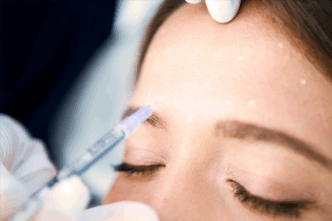
PRP (Platelet-Rich Plasma) is a medical procedure that involves drawing a small amount of blood from the patient, processing it through centrifugation to extract the platelet-rich plasma, and then reinjecting this concentrated plasma into the scalp. The growth factors contained in platelets stimulate hair follicle regeneration and promote healing of the scalp tissue. This approach to tissue regeneration is recognized for its benefits in tissue repair and reducing hair loss. However, like any medical procedure, PRP injections involve considerations that must be taken into account to ensure the patient’s quality of life.
1. Results are not guaranteed for everyone
PRP does not work the same way for all patients. Some patients respond very well to the treatment, while others respond less well. Factors that may limit its effectiveness include: advanced-stage hair loss, completely inactive or destroyed hair follicles on the scalp, certain autoimmune diseases, or poor-quality plasma (low levels of active platelets). This is why a preliminary hair evaluation is essential. The cause of hair loss must first be identified, whether it is due to stress, iron deficiency, or a genetic predisposition.
2. The treatment requires several sessions and consistency
PRP is not a one-time treatment. A standard treatment plan consists of 3 to 4 sessions spaced 4 to 6 weeks apart, followed by maintenance sessions every 6 to 12 months. For patients experiencing chronic hair loss, this long-term commitment can be a challenge to anticipate, both logistically and financially.
3. A significant financial investment
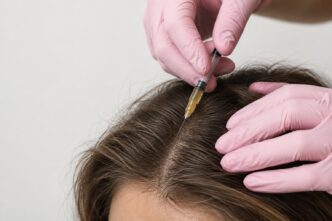
PRP for hair loss is not covered by Belgian social security. The cost per session generally ranges from €200 to €500, depending on the clinic and the treatment plan chosen. For a full treatment plan consisting of 3 to 4 initial sessions, the total cost can range from €900 to €1,600, plus the cost of annual maintenance sessions. At Claris Clinic (Brussels, La Hulpe, Liège), pricing is disclosed transparently during the initial consultation.
It is important to note that the care provided at a specialized clinic and the quality of the centrifugation equipment used can affect the final result. A medical-grade centrifuge is essential for obtaining plasma concentrated with active platelets. Blood is typically drawn from the patient’s arm before being centrifuged. This minimal blood draw represents a negligible loss to the body.
4. It takes time for results to show up
Unlike some treatments that produce immediate results, PRP works gradually by stimulating the hair’s growth phase. The first visible results usually appearonly after the second or third session.
Mild local inflammation is normal after the injection: it’s a sign that the growth factors in platelet-rich plasma are taking effect. This short recovery time is one of the advantages of this procedure compared to a surgical hair transplant. Healing is rapid, and any scars at the injection sites are imperceptible. On the scalp, the reaction is generally well tolerated. Dry or brittle hair may gradually regain its vitality, but you should not expect a radical or rapid change. It’s important to keep the timeline in mind to manage expectations properly: hair regeneration is a biological process that requires time and patience.
5. Minor side effects you should be aware of
Although it is generally very well tolerated (since the plasma comes from your own blood), minor side effects may occur after the injections:
- Redness and scalp sensitivity (24 to 48 hours)
- Mild pain or tightness in the areas where the injections were given
- Small, scattered bruises
- Temporary swelling of the scalp
These effects are temporary and usually go away within 48 hours.
6. PRP is not suitable for all medical conditions
Certain medical contraindications may prevent PRP treatment from being performed:
- Coagulation disorders or anticoagulant therapy
- Active scalp infections
- Certain cancers or hematological diseases
- Pregnancy (as a precaution)
- Immunosuppressive treatments
It is also advisable to avoid starting PRP treatment just before a change of season, a time when hair naturally falls out more, which could skew the assessment of results.
Apart from these contraindications, this procedure is considered safe because it uses the patient’s own plasma. The blood draw performed beforehand, combined with the centrifugation process, yields a natural serum with no risk of rejection. The doctor evaluates each case individually to determine whether the procedure is appropriate, taking into account the patient’s medical history and the overall condition of the scalp. This personalized approach ensures a better quality of life after treatment.

Frequently Asked Questions About the Drawbacks of PRP
Can PRP make hair loss worse?
In rare cases, a slight, temporary increase in hair loss may be observed in the first few weeks following the injections. This phenomenon, sometimes referred to as “transitional hair loss,” is temporary and generally precedes regrowth. It should not be confused with treatment failure.
Is PRP painful?
The injections are slightly uncomfortable but are generally well tolerated. Most patients describe a mild sensation of pressure, without significant pain.
What should you do if PRP doesn’t work?
If results are unsatisfactory after completing the full treatment protocol, other approaches may be considered: combination therapy with medication (minoxidil, finasteride), hair exosomes, or FUE hair transplantation for more advanced hair loss. At Claris Clinic, each case is reevaluated at every stage of treatment to tailor the care plan.
Is PRP effective for stress-related hair loss?
Yes, stress- or illness-related hair loss generally responds very well to PRP, since the follicles are still alive and responsive. This is one of the conditions where results are most satisfactory, provided that the cause of the stress is also addressed.
Platelet-Rich Plasma: Benefits and Mechanism of Regeneration
Platelet-rich plasma (PRP) is derived from a simple blood draw and processed by centrifugation to concentrate platelets and growth factors. These growth factors play a crucial role in tissue regeneration: they stimulate hair follicle stem cells, promote collagen production, and accelerate the repair of damaged tissue. The benefits of PRP extend beyond hair: this same technique is used in sports medicine to treat knee, hip, or elbow injuries, as well as in aesthetic medicine to improve the appearance of the skin and reduce scarring (see our article on facial PRP). The first PRP injections date back to 1987 and have since been extensively studied for tissue regeneration. Its ability to reduce chronic inflammation and its role in tissue healing make it a versatile procedure. When used on the face, it can alsoreduce inflammation and improve skin texture. The centrifugation process produces a highly concentrated plasma matrix that, once injected, gradually releases growth factors to promote long-lasting regeneration.
PRP Injections: The Procedure and Post-Treatment Follow-Up
The PRP injection procedure involves several steps. First, a blood sample is drawn—usually from the arm—to collect a small amount of blood. This blood is then placed in a specialized medical centrifuge to separate the platelet-rich plasma from the other blood components. The centrifugation process takes about 10 to 15 minutes. Once the plasma has been separated, the doctor administers the PRP injections into the affected areas of the scalp. The entire procedure takes between 30 and 60 minutes. After the procedure, reducing sun exposure and avoiding certain harsh hair treatments are recommended to optimize results. Recovery time is minimal, allowing for a quick return to daily activities.
Conclusion: PRP for hair—an effective treatment, but one that requires careful supervision
PRP for hair loss is a serious medical solution that is gaining increasing recognition as a treatment for hair loss. Its side effects are minor and temporary, and the results can be significant when the treatment is appropriately indicated and performed at a specialized clinic. However, it is important to approach this treatment with realistic expectations: results vary depending on the individual, multiple maintenance sessions are required, and the protocol calls for regular follow-up.
If you’d like to learn more about the PRP hair treatment offered at Claris Clinic, or get a personalized medical opinion on your hair loss, check out our dedicated page: Learn about the PRP hair treatment at Claris Clinic